
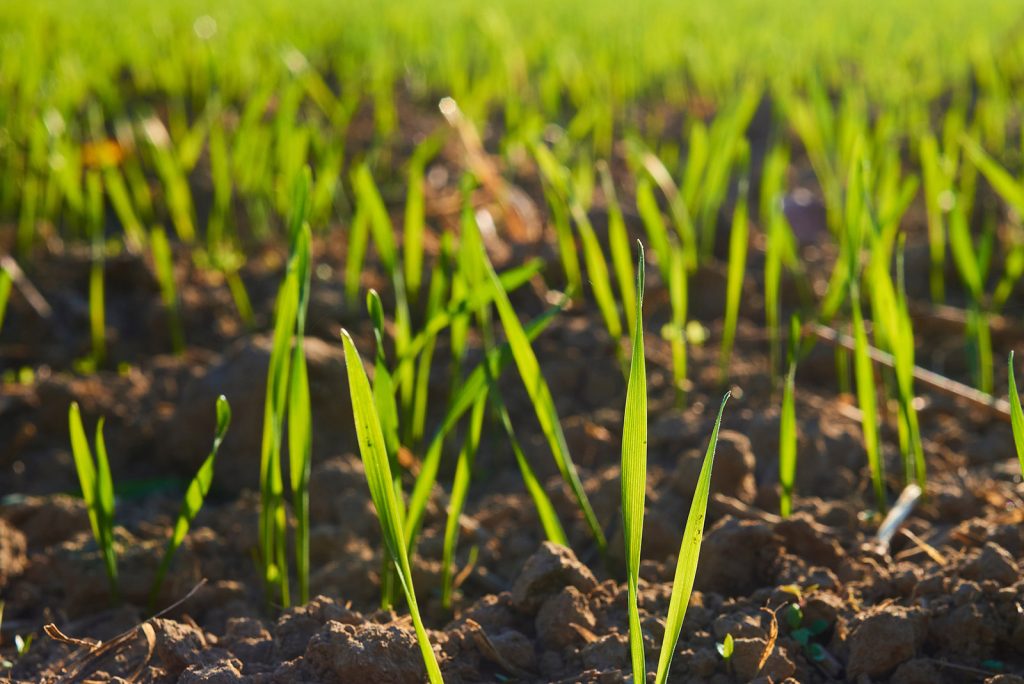
Successful native plant establishment starts long before seeds begin to grow. Many native species are adapted to wait for the right environmental conditions before germinating, a process known as seed dormancy. Understanding how and why this happens is key to selecting the right seed mixes and setting realistic expectations for establishment timelines.
For landowners and conservation practitioners, knowing what drives germination timing can make the difference between frustration and long-term success.
What Is Seed Dormancy?
Seed dormancy is a natural survival mechanism that prevents seeds from germinating until conditions are favorable. Unlike many agricultural crops that are bred for quick, uniform emergence, native seeds often require specific environmental triggers.
These triggers ensure that germination happens at a time when seedlings have the best chance to survive, rather than during short-term favorable conditions that could quickly change.
Types of Dormancy in Native Seeds
Different species rely on different dormancy mechanisms. Many native seed mixes include a combination of these, which is why germination can appear staggered over time.
- Physical dormancy: Hard seed coats prevent water absorption until they are naturally broken down
- Physiological dormancy: Internal chemical inhibitors must be reduced or removed before germination can occur
- Morphological dormancy: Seeds require additional time for embryo development after dispersal
- Combinational dormancy: A mix of physical and physiological barriers working together
Because of this variability, it is common for some species to germinate in the first season while others take longer.
The Role of Stratification and Environmental Cues
Cold Stratification
Many native species require a period of cold, moist conditions to break dormancy. This mimics natural winter cycles and signals that spring conditions are approaching.
Moisture Availability
Consistent soil moisture is essential for activating metabolic processes within the seed. Too little moisture delays germination, while too much can create unfavorable conditions.
Temperature Fluctuation
Daily and seasonal temperature changes help regulate when seeds “decide” to germinate. Some species rely on warming soil temperatures, while others respond to alternating freeze-thaw cycles.
These environmental cues work together to ensure germination aligns with seasonal patterns.
Why Germination Timing Varies
It is common for native seedings to establish over multiple growing seasons. This is not a failure. It is part of how native ecosystems are designed to function.
Several factors influence timing:
- Species diversity within the mix
- Site conditions such as soil type and drainage
- Weather patterns during and after planting
- Seed treatments or processing methods
This staggered germination helps create resilient plant communities that can adapt to changing conditions over time.
How Seed Treatments Support Germination
Modern seed processing techniques can help improve germination success while still respecting natural dormancy processes.
- Scarification: Weakens or breaks hard seed coats to allow water uptake
- Stratification: Pre-treats seeds with controlled cold, moist conditions
- Cleaning and conditioning: Improves seed quality and consistency
- Seed enhancement technologies: Promote stronger early root and shoot development
These approaches help reduce uncertainty and improve establishment outcomes, especially in challenging environments.
What This Means for Your Project
Understanding seed dormancy helps set realistic expectations for native plant establishment. Unlike traditional crops, native seedings are not designed to emerge all at once or follow a rigid timeline.
Instead, success should be measured over multiple seasons as different species establish and fill in across the site.
By selecting high-quality seed mixes and accounting for biological and environmental factors, landowners can create more consistent and sustainable results.
Supporting Better Outcomes with the Right Seed
Seed dormancy and germination timing are not obstacles. They are part of what makes native plant systems so effective and resilient.
At ANS, seed mixes are developed with these biological processes in mind, helping ensure that each species has the conditions it needs to establish successfully. With the right approach and expectations, native vegetation can develop into a stable, long-lasting landscape that delivers both environmental and practical benefits.