
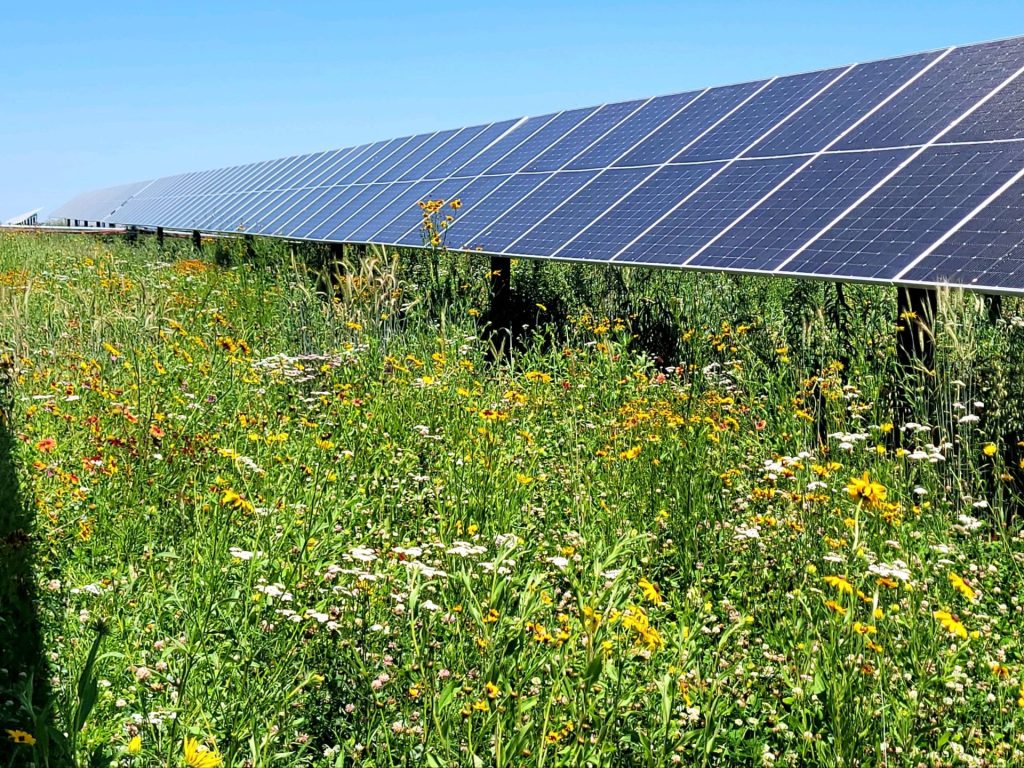
Native seed establishment has traditionally relied on experience, timing, and a strong understanding of environmental conditions. While those fundamentals still matter, new technologies are changing how landowners and conservation professionals approach planting. Precision agriculture tools are making it possible to improve accuracy, reduce waste, and achieve more consistent results across a wide range of projects.
From drones to GPS-guided equipment, these advancements are helping bring greater predictability to a process that has often depended on variables outside of anyone’s control.
Why Precision Matters in Native Seeding
Unlike conventional crops, native seed mixes often include a wide variety of species with different germination requirements. Establishing these mixes successfully depends on placing the right seed in the right conditions at the right time.
Precision agriculture helps address common challenges such as:
- Uneven seed distribution
- Variable soil conditions across a field
- Over- or under-seeding certain areas
- Difficulty tracking and documenting planting practices
By improving consistency, these tools support stronger establishment and better long-term outcomes.
GPS-Guided Drilling and Seeding Accuracy
Consistent Seed Placement
GPS-guided drills allow operators to maintain precise spacing and depth across an entire site. This is especially important for native seeds, where proper soil contact and placement can significantly impact germination rates.
Reduced Overlap and Waste
With GPS mapping, operators can avoid double-seeding areas or leaving gaps. This not only improves stand uniformity but also reduces unnecessary seed use.
Adaptability Across Site Conditions
Many systems can adjust in real time based on terrain, ensuring consistent performance even on uneven or complex sites.
Drones and Aerial Monitoring
Drones are becoming a valuable tool both before and after planting, providing insights that were previously difficult or time-consuming to gather.
- Pre-planting assessments: Identify problem areas such as erosion, compaction, or existing vegetation
- Seeding support: In some cases, drones can be used for broadcast seeding in hard-to-reach areas
- Post-planting monitoring: Track germination progress and identify areas that may need attention
This level of visibility allows for quicker decision-making and more targeted management.
Soil Sensors and Data-Driven Decisions
Understanding soil conditions has always been important, but soil sensors take that knowledge to a new level by providing real-time data.
Moisture Monitoring
Soil moisture sensors help determine optimal planting windows and track conditions during germination.
Temperature Tracking
Since many native seeds rely on temperature cues, monitoring soil temperature helps ensure planting aligns with ideal conditions.
Nutrient Insights
Sensors and testing tools can guide soil amendments, helping create a more supportive environment for establishment.
By using data instead of estimates, land managers can make more informed decisions throughout the process.
Integrating Technology with Seed Selection
Precision tools are most effective when paired with high-quality seed that is designed for the specific application.
- Matching seed mixes to site conditions identified through data
- Adjusting seeding rates based on soil variability
- Improving outcomes by aligning planting methods with seed characteristics
This combination of technology and seed expertise helps reduce risk and improve establishment success.
What This Means for the Future of Native Seeding
Precision agriculture is not about replacing experience. It is about enhancing it. These tools allow landowners and professionals to apply their knowledge more accurately and efficiently across every acre.
As technology continues to evolve, native seed establishment will become more predictable, more efficient, and more scalable. Projects that once required significant trial and error can now be approached with greater confidence and control.
Supporting Better Results with Smarter Approaches
The future of native seed establishment is built on a balance of proven practices and modern innovation. Precision agriculture tools are helping bridge that gap, making it easier to achieve strong, consistent stands while reducing unnecessary inputs.
At ANS, seed mixes are developed with real-world conditions in mind, ensuring they perform well when paired with both traditional methods and advanced technologies. With the right combination of seed quality and precision tools, native planting projects can deliver reliable, long-term success.