
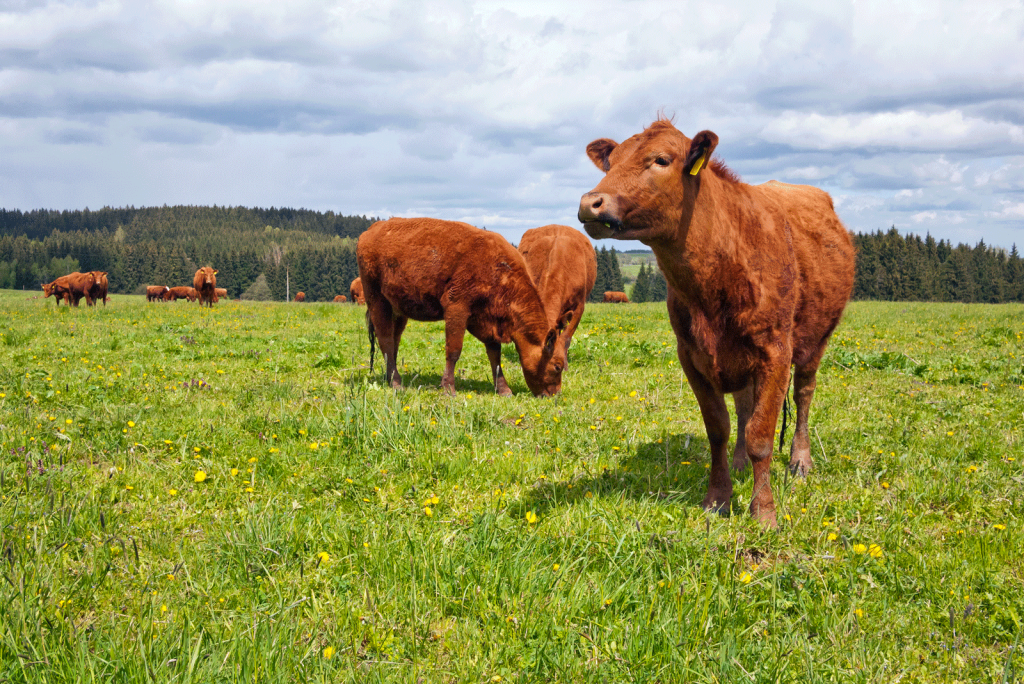
Exploring how integrating native grasses into grazing systems benefits soil health, livestock nutrition, and pasture longevity
As interest in regenerative agriculture grows, more producers are turning to native grasses as a solution for improving pasture health, livestock performance, and environmental sustainability. Whether you’re managing land enrolled in the Conservation Reserve Program (CRP) or operating a working farm or ranch, integrating native warm-season grasses into your rotational grazing system can offer long-term benefits for both your herd and the land.
At All Native Seed, we provide high-quality, tested native seed mixes that can transform grazing systems into resilient, productive ecosystems. Here’s how native grasses can elevate your grazing management strategy.
The Power of Native Warm-Season Grasses
Most traditional pastures in the U.S. are dominated by cool-season grasses like fescue or brome. While these species provide forage early in the year, they typically slow down during hot, dry months. Native warm-season grasses (WSGs) such as Big Bluestem, Switchgrass, and Indiangrass fill that gap by thriving in summer conditions.
Key benefits of native grasses include:
- Drought tolerance
- Deep root systems
- High forage quality during summer
- Reduced input needs after establishment
Incorporating these grasses into your pasture rotation provides a more balanced, year-round forage supply.
Benefits for Livestock Health and Nutrition
Native grasses offer more than just seasonal coverage. They also support healthy, productive livestock by providing:
- High-quality forage: Native grasses can deliver 12–14% crude protein during the early vegetative stage, ideal for weight gain in cattle and other ruminants.
- Improved digestibility: WSGs tend to have lower levels of endophytes and toxins found in some cool-season grasses like tall fescue.
- Reduced heat stress: By allowing grazing to shift seasonally, animals can avoid being overworked in heat-stressed pastures with declining quality.
A mixed grazing system that includes both cool- and warm-season pastures can significantly reduce the need for supplemental feed during the summer slump.
Enhancing Rotational Grazing Systems
Rotational grazing relies on the ability to rest pastures while livestock graze elsewhere. Native grasses, with their vigorous regrowth and seasonal complement to cool-season species, are ideal for this system.
Here’s how they contribute:
- Extended grazing season: Native grasses pick up where cool-season grasses drop off, supporting continuous rotation.
- Improved rest periods: By diversifying your pasture composition, you can give each paddock more recovery time, improving plant persistence.
- Soil recovery and fertility: The deep root systems of native grasses enhance soil structure, organic matter, and microbial health over time.
When managed properly, native pastures require less reseeding and fewer inputs, making them a cost-effective long-term solution.
Soil Health and Erosion Control
One of the most powerful benefits of native grasses is their contribution to soil health. Their extensive root networks can reach depths of 6 feet or more, which:
- Improves water infiltration and retention
- Reduces compaction and erosion
- Enhances carbon storage
- Promotes nutrient cycling and microbial activity
These properties not only support pasture resilience but also make native grasses an ideal fit for USDA conservation goals and regenerative grazing practices.
Long-Term Profitability and Sustainability
Once established, native grass pastures offer long-term value:
- Lower input costs (fertilizer, herbicides, reseeding)
- Higher forage availability in mid-summer
- Stronger performance in drought years
- Improved ecosystem services such as pollinator habitat and water quality
Many landowners have found that blending native species into their grazing systems enhances both economic returns and ecological health.
Get Started with All Native Seed
If you’re ready to improve your grazing operation, All Native Seed can help you:
- Choose the right native species for your soil and climate
- Comply with NRCS or CRP requirements
- Establish long-term pasture success with our BOOST-treated seed, proven to improve seedling survival and vigor
With over 400,000 acres of native habitat established, our team has the experience and products to help you make a lasting impact on your land and livestock.
Ready to diversify your pasture and improve grazing results?
Contact All Native Seed today to learn more about our native seed options and how they can fit into your pasture rotation plan.