
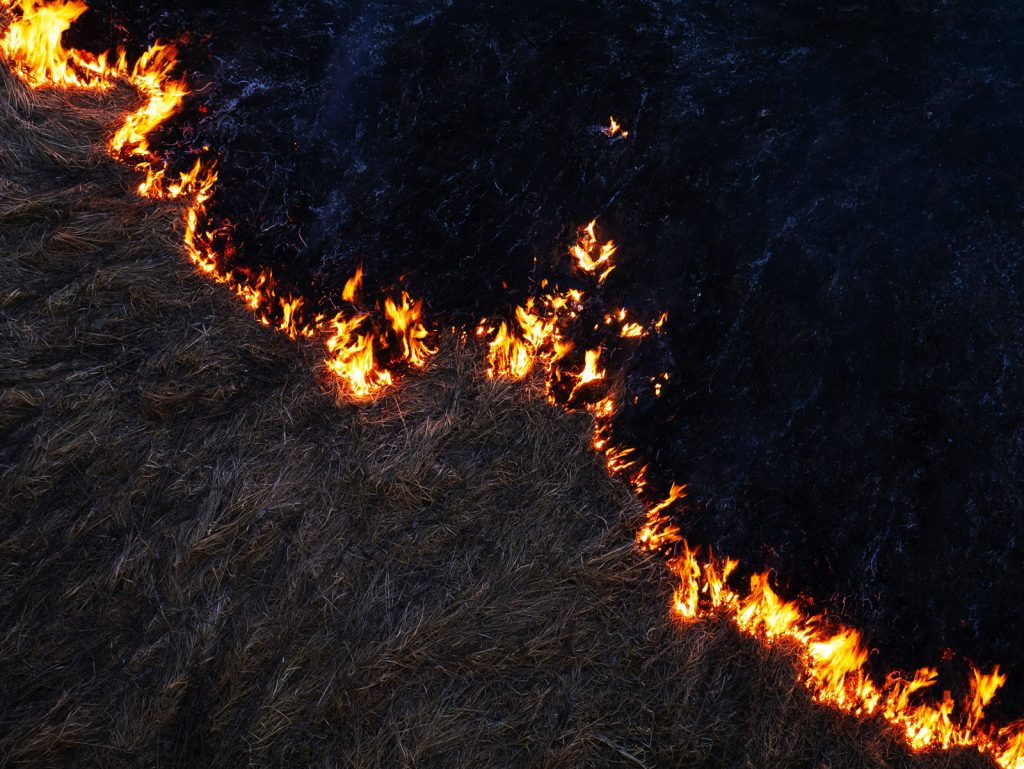
The benefits and best practices of using prescribed burns to manage and rejuvenate native plant communities
Fire has played a natural and essential role in shaping North American grasslands for thousands of years. Today, seasonal burning remains one of the most effective tools for native grassland restoration, helping landowners and conservation managers maintain healthy, diverse plant communities. When used correctly, prescribed burns can rejuvenate native species, suppress invasive plants, and improve overall habitat quality.
At All Native Seed, we work with landowners engaged in long-term conservation efforts, including those enrolled in the Conservation Reserve Program (CRP). Understanding how fire fits into plant community management is key to sustaining successful native plantings.
The Role of Fire in Native Grassland Ecosystems
Native grasslands evolved alongside periodic fire. Without it, many grassland systems gradually lose diversity as woody plants and invasive species take hold. Fire helps reset ecological balance by:
- Removing accumulated plant litter that can smother native growth
- Recycling nutrients back into the soil
- Stimulating growth in fire-adapted native grasses and forbs
- Preventing tree and shrub encroachment
In modern restoration efforts, prescribed burning mimics these natural processes in a controlled and intentional way.
Benefits of Seasonal Burning for Native Grassland Restoration
Encourages Native Plant Growth
Many warm-season native grasses respond positively to fire. Prescribed burns remove old plant material, allowing sunlight to reach the soil surface and encouraging vigorous regrowth. Species such as Big Bluestem, Indiangrass, and Switchgrass often show improved density and resilience following properly timed burns.
Improves Plant Diversity
Seasonal burning helps reduce dominance by a few aggressive species, creating space for a wider range of native forbs and grasses. Increased plant diversity supports pollinators, wildlife, and overall ecosystem stability.
Suppresses Invasive and Woody Species
Fire is particularly effective at controlling invasive cool-season grasses and woody vegetation that can overtake native grasslands if left unmanaged. Burning during specific seasons can weaken invasive species while favoring native plants adapted to fire cycles.
Enhances Wildlife Habitat
By promoting diverse plant structure and growth patterns, prescribed burns improve habitat for ground-nesting birds, pollinators, and small mammals. Recently burned areas often provide ideal brood-rearing habitat, while unburned sections offer cover and shelter.
Timing Matters: Choosing the Right Season
Seasonal burning is not a one-size-fits-all practice. The timing of a burn directly influences outcomes for plant community management.
- Mid spring burns favor warm-season grasses and help control cool-season invaders.
- Late spring burns can reduce woody plants and stimulate certain native forbs.
- Fall burns may be used selectively to target specific invasive species or prepare sites for interseeding.
The best timing depends on site conditions, restoration goals, and CRP or NRCS guidelines.
Best Practices for Prescribed Burns
To ensure safety, compliance, and ecological success, prescribed burns should always follow established best practices:
- Develop a burn plan
Work with local conservation professionals or agencies to outline objectives, timing, weather conditions, and safety measures.
- Coordinate with authorities
Obtain necessary permits and notify local fire departments before conducting any burn.
- Burn in sections
Rotational or patch burning preserves refuge areas for wildlife and promotes varied habitat structure.
- Monitor results
Observe plant response after the burn and adjust future management strategies as needed.
- Follow program requirements
For CRP land, prescribed burns must be approved and documented to remain compliant with contract terms.
Prescribed Burns as Part of Long-Term Management
Fire is most effective when used as part of a broader management strategy that includes proper seed selection, site preparation, and follow-up maintenance. Combining prescribed burns with interseeding, selective mowing, or spot herbicide treatments can further enhance restoration outcomes.
At All Native Seed, we provide regionally adapted, NRCS-compliant native seed mixes that respond well to fire-based management. Our team also offers guidance on how seed selection and management practices work together to support long-term native grassland success.
With more than 400,000 acres of native habitat established, we understand how thoughtful management practices like seasonal burning contribute to resilient, thriving landscapes.
Restoring Grasslands the Natural Way
Prescribed burns are a powerful tool for native grassland restoration when applied correctly and safely. By understanding the role of fire and integrating it into plant community management plans, landowners can maintain healthier ecosystems that support wildlife, improve biodiversity, and meet conservation goals.
If you are considering prescribed burns as part of your restoration strategy, All Native Seed is here to help. Contact our team to learn more about native seed options and long-term management approaches that work with nature rather than against it.