
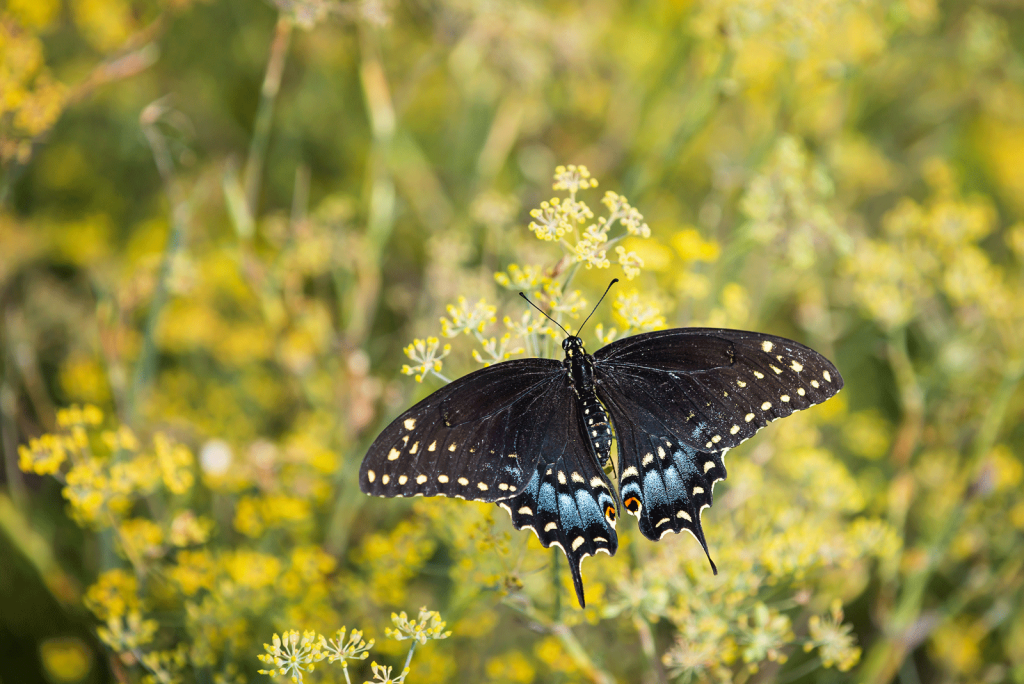
A step-by-step guide to establishing a habitat specifically designed to support migrating and resident butterflies. With habitat loss and fragmentation continuing to threaten butterfly populations across North America, landowners and conservationists have an opportunity to make a meaningful difference, right in their own fields and backyards. By creating butterfly waystations, you provide critical resting, feeding, and breeding habitat for both migratory species like the monarch and a variety of local butterflies.
At All Native Seed, we specialize in native seed mixes that not only meet NRCS standards for Conservation Reserve Program (CRP) projects, but also help restore the vital ecosystems butterflies rely on. Here’s how to get started.
What Is a Butterfly Waystation?
A butterfly waystation is a managed area where butterflies can find the nectar, shelter, and host plants they need to complete their life cycle. These sites are especially important for species like the monarch butterfly, which migrates thousands of miles annually and depends on high-quality stopover habitats along the way.
Waystations are typically planted with native wildflowers and grasses that:
- Provide nectar for adult butterflies
- Include host plants like milkweed for caterpillars
- Offer shelter from predators and weather
- Are free from pesticides and invasive species
Step 1: Choose the Right Site
Select an area with:
- Full sun (at least 6 hours of sunlight daily)
- Good drainage
- Minimal competition from existing vegetation
The space doesn’t need to be large, waystations can range from small garden plots to multi-acre CRP fields. What matters most is the quality and diversity of native plants.
Step 2: Plan Your Planting Mix
Butterflies benefit most from diverse plantings that offer continuous blooms from spring through fall. Your mix should include:
Nectar Sources (for adult butterflies)
- Purple Coneflower (Echinacea purpurea)
- Black-Eyed Susan (Rudbeckia hirta)
- Bee Balm (Monarda fistulosa)
- Blazing Star (Liatris spp.)
- Golden Alexanders (Zizia aurea)
Host Plants (for caterpillar development)
- Milkweed species (essential for monarchs)
- Common Milkweed (Asclepias syriaca)
- Swamp Milkweed (Asclepias incarnata)
- Butterfly Milkweed (Asclepias tuberosa)
Structural Grasses
- Little Bluestem (Schizachyrium scoparium)
- Sideoats Grama (Bouteloua curtipendula)
These grasses provide roosting sites, shelter, and overwintering cover.
Tip: Use an NRCS-compliant CP42 pollinator mix from All Native Seed to meet habitat standards while supporting a wide variety of butterfly species.
Step 3: Prepare the Site
Successful butterfly habitats begin with effective site prep. Before planting:
- Eliminate existing weeds and invasive species using herbicide or mowing over a full growing season
- Consider a cover crop the year prior to reduce weed pressure
- Avoid tilling right before planting to maintain soil structure
The better the prep, the greater your chances of long-term establishment.
Step 4: Plant with Care
Plant your native seed mix in late fall or early spring, depending on your region and seed requirements. Use a native seed drill or broadcast seeder, followed by a cultipacker or roller to ensure good seed-to-soil contact.
All Native Seed’s mixes are available BOOST-treated, a proprietary micronutrient coating that promotes faster germination and higher seedling survival.
Step 5: Manage and Maintain
Like any CRP planting or restoration project, your butterfly waystation will require maintenance:
- Mow during the first year to control weeds and prevent shading of young natives
- Spot treat any persistent invasive species
- Avoid pesticides, which harm both caterpillars and adult butterflies
- Monitor and document bloom progression and butterfly visits
Over time, the planting will fill in and self-sustain with proper management.
Support Butterflies and Biodiversity
Creating a butterfly waystation is more than just a beautiful landscape feature—it’s a vital contribution to insect conservation, ecosystem health, and natural heritage. Whether you’re participating in a CRP pollinator practice or enhancing habitat on your own property, All Native Seed is here to help.
Ready to start your butterfly habitat project?
Contact All Native Seed today to explore custom seed mix options, planting support, and CRP guidance from a team that has helped establish over 400,000 acres of native habitat across the country.
Let’s help butterflies, and native ecosystems, thrive together.