How incorporating native shrubs and plants as hedgerows can enhance habitat quality for a variety of species
When planning habitat restoration or conservation projects, landowners and managers often focus on open grasslands or wildflower meadows. While these areas are vital, one often overlooked feature can significantly improve the ecological value of a property: native hedgerows.
Native hedgerows, which are linear plantings of shrubs, trees, and herbaceous plants, serve as essential corridors and refuges for both pollinators and wildlife. When thoughtfully designed and installed, they can enhance biodiversity, support pollinator health, provide cover for small mammals and birds, and even improve the overall success of Conservation Reserve Program (CRP) practices.
At All Native Seed, we understand the importance of creating diverse, functioning ecosystems. Here’s how incorporating native hedgerows into your conservation or agricultural landscape can make a lasting impact.
What Are Native Hedgerows?
Hedgerows are traditionally used to mark field boundaries, reduce wind, and prevent erosion. However, when made up of native species, hedgerows become dynamic habitat features. Unlike traditional fence lines or monoculture tree rows, native hedgerows:
- Provide year-round habitat for pollinators, birds, and small mammals
- Offer seasonal food sources through berries, seeds, and nectar
- Create connectivity between larger habitat areas
- Support beneficial insects that provide natural pest control
These features are especially valuable in agricultural landscapes, where open fields may otherwise lack habitat diversity.
Benefits for Pollinators
Hedgerows made from native flowering shrubs and perennials offer an extended bloom period, supporting pollinators throughout the growing season. Native bees, butterflies, and other pollinating insects rely on these floral resources for food and nesting habitat.
Key native species for pollinator-friendly hedgerows include:
- New Jersey Tea (Ceanothus americanus) – Early blooms for spring pollinators
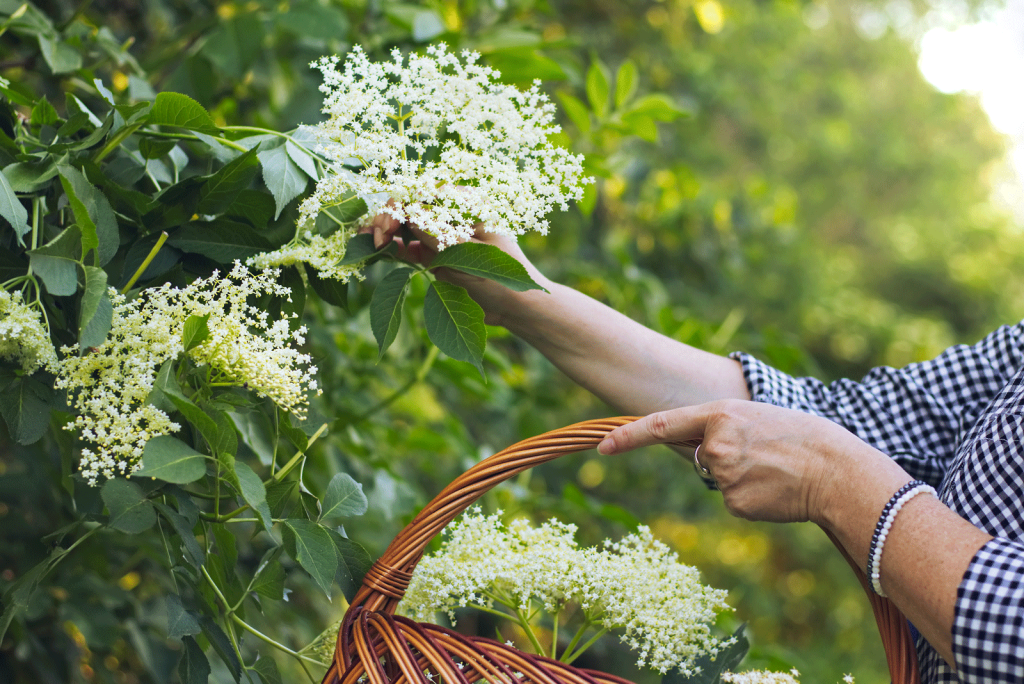
- Elderberry (Sambucus canadensis) – Nectar-rich flowers and later-season berries
- Wild Plum (Prunus americana) – Supports early-season pollinators and serves as a larval host for butterflies
- Dogwood species (Cornus spp.) – Provide nectar and shelter
Including a mix of native grasses at the base of the hedgerow adds habitat structure and additional nectar resources for ground-nesting bees.
Wildlife Habitat and Movement Corridors
Native hedgerows also serve as cover and travel corridors for a variety of wildlife. Birds, rabbits, and other small mammals use these linear features for protection, nesting, and foraging. In agricultural areas, where natural cover is limited, hedgerows provide a buffer from predators and weather extremes.
Species like Indigo Buntings, Northern Bobwhite, and field sparrows are known to nest in or near hedgerows. Additionally, hedgerows can reduce road mortality for wildlife by offering safer travel routes between fragmented habitats.
Soil and Water Benefits
In addition to ecological advantages, native hedgerows improve soil stability and water quality. The deep roots of native shrubs and grasses reduce erosion, filter runoff, and help retain moisture in the surrounding landscape. This makes them especially useful in areas near:
- Waterways and drainage ditches
- Field edges prone to wind or water erosion
- Sloped terrain in agricultural fields
Hedgerows can also act as windbreaks, reducing crop stress and creating more stable microclimates.
Planning and Installing Native Hedgerows
To create an effective hedgerow, consider the following steps:
- Assess the Site
Choose a location where the hedgerow will offer ecological and functional benefits. Field borders, fence lines, and riparian buffers are ideal spots.
- Select Native Species
Use regionally appropriate native shrubs, trees, and herbaceous plants. Include a mix of flowering and fruiting species for seasonal coverage.
- Prepare the Soil
Remove invasive plants and grasses, and prepare the soil for planting. Follow best practices for weed suppression and mulching to improve establishment.
- Plant with Purpose
Use staggered spacing for multi-layered structure, and incorporate grasses and forbs at the base for additional habitat value.
- Maintain and Monitor
Water young plants as needed, control invasive species, and avoid mowing during nesting season. Allow the hedgerow to develop naturally over time.
All Native Seed Can Help You Build Biodiverse Landscapes
At All Native Seed, we offer high-quality native seed mixes and establishment guidance for projects of all sizes. Whether you’re looking to integrate a native hedgerow into your CRP practice or create additional habitat buffers on your land, our team can help you:
- Select the right species mix for your goals and region
- Comply with NRCS or CRP guidelines
- Optimize soil preparation and planting methods for long-term success
With over 400,000 acres of native habitat established, we are committed to supporting conservation through thoughtful, science-backed planting strategies.
Ready to get started?
Reach out to All Native Seed for professional advice on native plantings that go beyond the field. Hedgerows are more than borders; they are living systems that benefit pollinators, wildlife, and the land itself.