
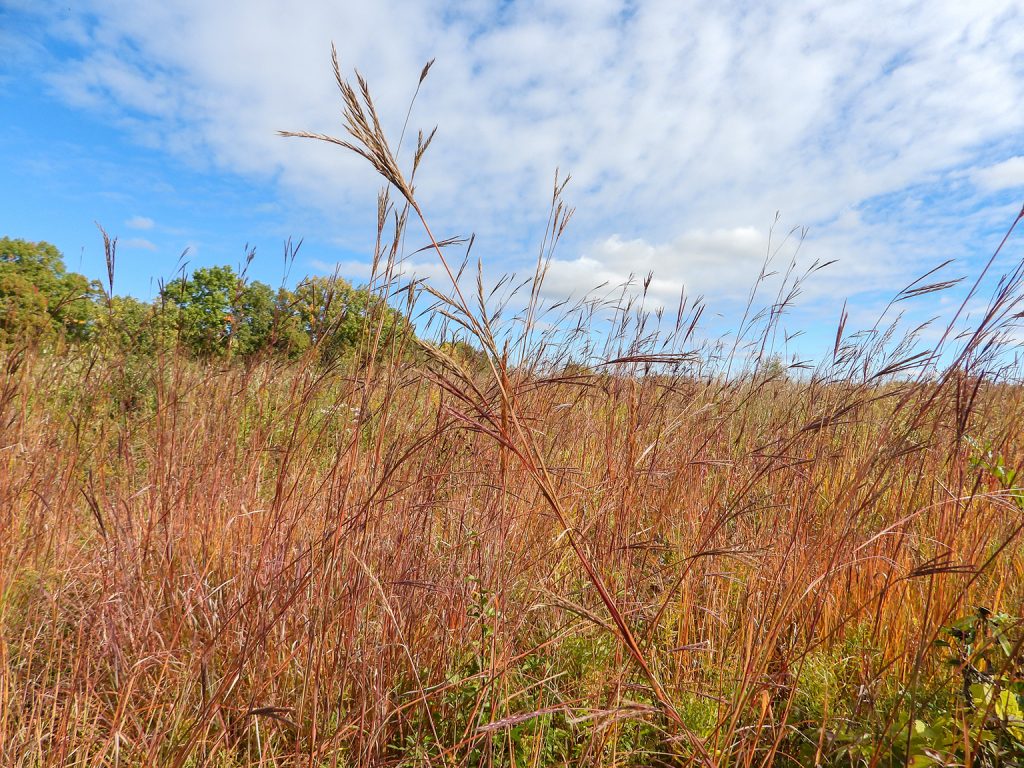
A look at the deep-rooted advantages of native plants and how they help maintain landscapes during periods of drought
Periods of drought can place significant stress on landscapes, agricultural systems, and conservation plantings. As water resources become more limited, landowners and land managers are increasingly looking for plant species that can thrive with less moisture while maintaining healthy ecosystems. One of the most effective solutions lies in the use of native plants with strong drought resilience.
Native grasses and wildflowers evolved over centuries in the climates and soils where they naturally occur. Because of this long-term adaptation, they are well equipped to withstand environmental stresses such as heat and limited rainfall. Their deep root systems and natural efficiency in using water make them valuable tools for water conservation and long-term landscape sustainability.
The Power of Deep Root Systems
One of the most important reasons native plants perform better during drought conditions is their root structure. Many native grasses and forbs develop extensive root systems that can reach several feet below the soil surface. In some cases, these roots extend six feet or deeper into the ground.
These deep root systems provide several advantages:
- Access to moisture stored deeper in the soil profile
- Improved soil stability and resistance to erosion
- Increased soil organic matter as roots grow and decompose
- Greater tolerance during prolonged dry periods
Native species such as Little Bluestem, Switchgrass, and Indiangrass are well known for their deep and dense root networks. These plants are able to continue accessing water even when surface soils dry out, allowing them to remain productive when many shallow-rooted plants struggle.
Native Plants and Water Conservation
Because native plants evolved in local climates, they are naturally adapted to typical rainfall patterns and seasonal weather changes. This means they often require significantly less irrigation once established compared to non-native introduced or turf species.
This natural water conservation benefit makes native plantings particularly valuable in restoration projects, agricultural buffers, and conservation landscapes. Landowners who incorporate native grasses and forbs often find that their landscapes remain stable and healthy even during periods of below-average rainfall.
In addition to using water efficiently, native plants also improve the soil’s ability to retain moisture. Their roots help create channels in the soil that increase infiltration and reduce runoff. Over time, this improves the soil structure and enhances its capacity to hold water for longer periods.
Supporting Landscape Sustainability
Beyond drought tolerance, native plants contribute to broader goals of landscape sustainability. Healthy native plant communities support a wide range of ecological benefits, including:
- Improved soil health through increased organic matter
- Reduced erosion and better water infiltration
- Habitat for pollinators, birds, and beneficial insects
- Lower maintenance requirements over time
When native species are used in conservation plantings or habitat restoration projects, they help create resilient ecosystems that can adapt to changing environmental conditions.
Programs such as the Conservation Reserve Program often rely on native grasses and forbs because of these long-term sustainability benefits. Once established, native plantings can thrive with minimal inputs while continuing to support wildlife and soil health.
Building Drought-Resilient Landscapes
For landowners looking to establish drought-tolerant landscapes, selecting the right plant species is critical. Native grasses and wildflowers provide a proven foundation for resilient plant communities that can withstand variable weather conditions.
At All Native Seed, we specialize in providing high-quality native seed mixes designed to support conservation goals and long-term landscape success. Our seed has been used to establish more than 400,000 acres of native habitat across the United States.
By choosing native plants with strong drought resilience and deep root systems, landowners can create landscapes that conserve water, support biodiversity, and remain productive even during challenging environmental conditions.
A Natural Solution for Dry Conditions
Drought is a natural part of many ecosystems, but landscapes designed with native plants are far better equipped to handle it. With their deep roots, efficient water use, and ability to support healthy soils, native plant communities offer a practical path toward stronger and more sustainable land management.
If you are planning a conservation planting or restoration project, All Native Seed can help you select the native species that best fit your region and long-term goals. Our team is here to help you build landscapes that thrive in both wet and dry conditions.