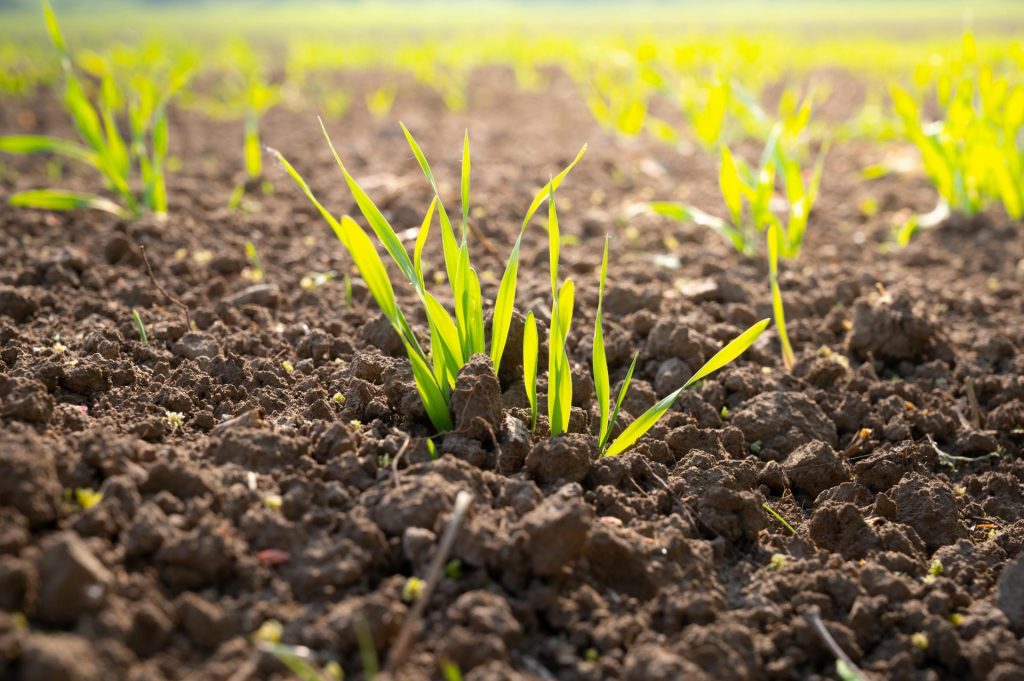
Native grass stands can change over time. Weather extremes, weed competition, soil conditions, inconsistent establishment, and other environmental pressures may leave once-productive plantings thin or less diverse than intended. When desirable vegetation is still present, completely starting over may not be necessary.
Overseeding provides an opportunity to introduce additional native grasses and forbs into an existing stand, helping improve density, diversity, and long-term resilience while preserving vegetation that is already performing well.
What Is Overseeding?
Overseeding is the practice of adding seed to an existing plant community without completely removing the established vegetation. Rather than resetting the site, the goal is to strengthen areas where coverage or species diversity has declined.
When conditions are appropriate, overseeding can help:
- Fill thin or bare areas
- Increase native species diversity
- Improve overall stand density
- Introduce desirable grasses or wildflowers
- Strengthen habitat value
- Improve the resilience of an established planting
Successful overseeding depends on understanding why the original stand has declined and addressing those conditions before introducing additional seed.
Evaluate the Existing Stand First
Before overseeding, take time to determine what is already growing and where improvements are needed.
Identify Desirable Species
Existing native grasses and forbs should be identified so the new seed mix complements rather than unnecessarily competes with the established community.
Assess Weed Pressure
Heavy weed or invasive species pressure can prevent new seedlings from becoming established. Problem vegetation may need to be controlled before additional seed is introduced.
Look for Patterns
Thin vegetation may be concentrated in specific areas rather than spread evenly across the property. Compaction, drainage, erosion, soil conditions, or previous disturbance can all contribute to poor establishment.
Understanding the cause helps determine whether overseeding alone is likely to solve the problem.
Creating Opportunities for New Seed
One of the primary challenges with overseeding is competition. Established vegetation already has developed root systems and access to sunlight, moisture, and nutrients. New seedlings need enough space and resources to become established alongside them.
Before planting, management may include:
- Mowing existing vegetation to reduce canopy height
- Removing excessive plant residue
- Controlling invasive or aggressive weeds
- Creating adequate seed-to-soil contact
- Addressing compacted or disturbed areas when appropriate
The objective is not necessarily to eliminate the existing stand. It is to create enough opportunity for new seed to germinate and establish.
Choosing the Right Seed Mix
Overseeding provides an opportunity to improve the composition of an existing native planting rather than simply adding more of what is already present.
Fill Existing Gaps
If certain grasses failed to establish during the original planting, overseeding can introduce species suited to the site’s current conditions.
Increase Diversity
Adding native forbs or additional grass species can create a more diverse plant community with greater habitat and ecological value.
Match Seed to the Site
Soil type, moisture, climate, sunlight, and existing vegetation should all influence seed selection. Species that are well adapted to site conditions are more likely to compete successfully within an established stand.
Selecting an Overseeding Method
The best planting method depends on the condition of the stand, terrain, seed mix, and available equipment.
Drill seeding can provide good seed-to-soil contact by placing seed directly into the soil with limited disturbance to existing vegetation. A native seed drill may be particularly useful when adding grasses to accessible areas.
Broadcast seeding can work well where equipment access is limited or where small-seeded species need to remain close to the surface. Proper timing and soil contact become especially important when seed is broadcast into existing vegetation.
Regardless of the method, seed should be placed at an appropriate depth for the species being planted.
Timing Can Make a Significant Difference
Successful overseeding depends heavily on timing. Planting when environmental conditions naturally support germination can give new seedlings a better opportunity to compete with established vegetation.
Dormant seeding may be appropriate for native species that benefit from exposure to winter conditions before spring germination. Other projects may benefit from planting during a suitable spring window when soil moisture and temperatures support emergence.
Weather conditions vary from year to year, so planting dates should be based on the species being used and regional conditions rather than the calendar alone.
Manage the Stand After Overseeding
Overseeding does not end when the seed is planted. New seedlings remain vulnerable to competition during their first growing season.
Post-planting management may include:
- Monitoring germination and seedling development
- Controlling weeds before they dominate new growth
- Using strategic mowing to manage competition
- Watching for erosion or drainage problems
- Evaluating thin areas that may require additional attention
Patience is also important. Native species establish at different rates, and the full impact of an overseeding project may not be apparent during the first growing season.
Strengthen What Is Already Growing
A native planting does not always need to be completely restarted when performance declines. When desirable vegetation remains, overseeding can be a practical way to improve density, restore diversity, and strengthen the plant community while building on the progress already made.
ANS provides native seed mixes designed for a variety of conservation, habitat, and restoration applications. By selecting species that complement existing vegetation and matching them to site conditions, landowners and conservation professionals can give established native stands another opportunity to develop into healthier, more resilient landscapes.
Ready to strengthen an existing native stand? Contact ANS to find the right seed mix for your site conditions, restoration goals, and overseeding project.